Português
  English (UK)
What does it take to go from building electronics in Aveiro to having them operating in space?
We sat down with Nuno Gomes, CEO of Exatronic, to look back at a project that started with a phone call in the summer of 2023 and, three years later, has helped shape a new chapter for the company.
At the time, a group of founders approached Exatronic with a very clear challenge: around 80% of the planet’s surface had no cellular coverage. Their ambition was to develop a proprietary, autonomous and scalable radio system that could be integrated into third-party satellites in low Earth orbit, enabling low-bandwidth IoT connectivity virtually anywhere on the planet — including the ocean. The technology was ambitious. So was the timeline.
The team behind the project already had strong expertise in telecommunications electronics and software, together with a clear understanding of the business opportunity. What they needed was a partner capable of turning continuous development into physical hardware.
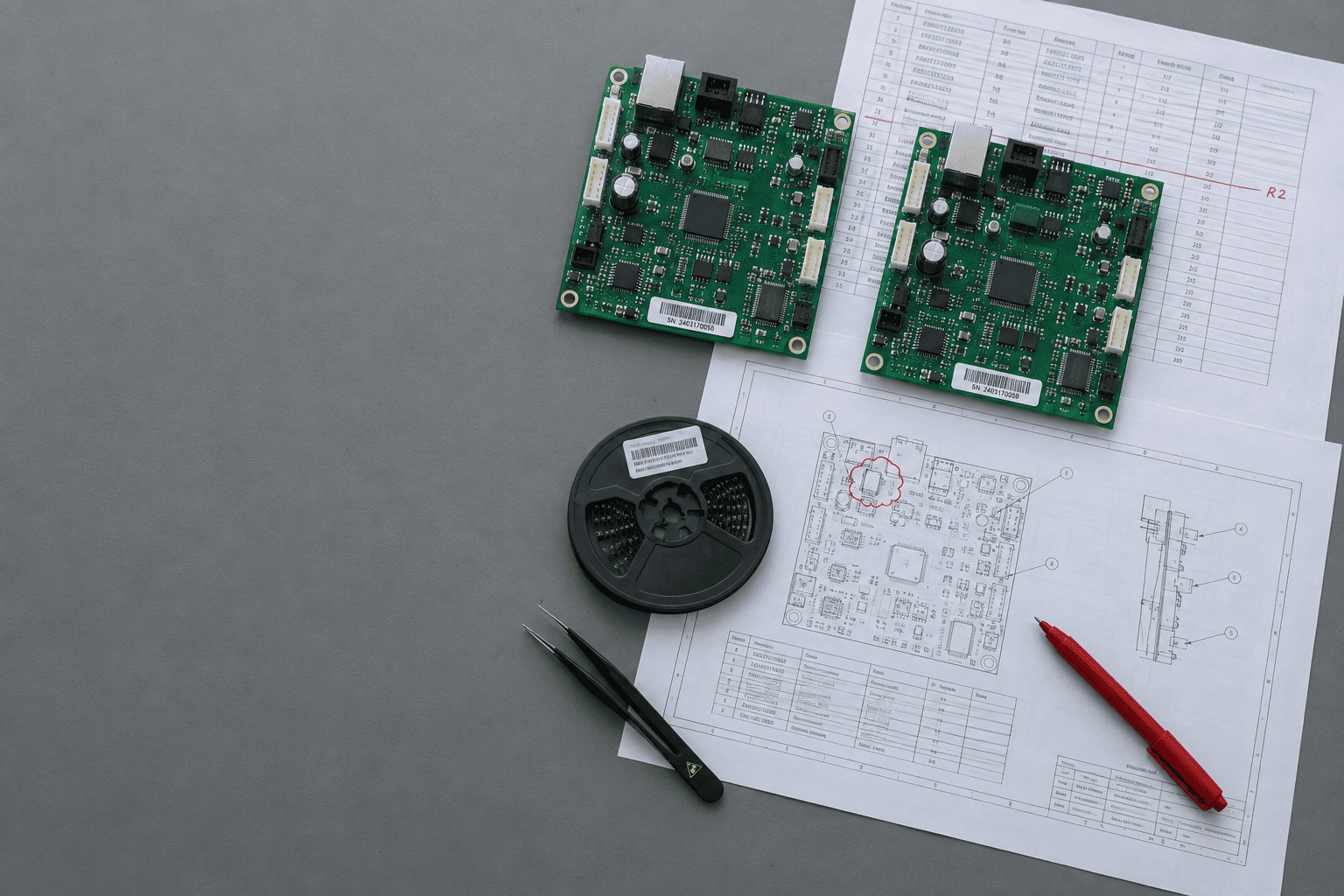
Over the following two years, several hardware iterations would be required. Exatronic industrialised and manufactured every one of them.
Building for something that would eventually leave Earth
From Nuno’s perspective, one of the most interesting parts of the project was that manufacturing could never be treated as an isolated final step. Decisions had to be made early.
Component lead times stretched across months. PCB manufacturers had to be qualified to IPC Class 3 standards. Critical suppliers needed to understand the requirements of the project and become part of a supply chain capable of supporting its evolution. And there was another challenge from the very beginning. The electronics being developed would eventually have to fly.
Within approximately two years, the boards would need to be ready for integration into a satellite, withstand the conditions of a launcher and continue operating once in orbit. That changed the level of demand across the entire manufacturing process. PCBs, components, solder joints, inspection and quality control all had to be approached with a different level of rigour.
Then came the tests
Eventually, the moment arrived to manufacture the PCBAs intended for flight qualification.
The boards went through TVAC and vibration testing — two critical milestones before electronics can be considered ready for the conditions associated with launch and operation in space. For the Exatronic team, those tests represented much more than the validation of a set of boards. They were also testing two years of decisions, manufacturing development, process refinement and supply-chain work.
The boards passed.
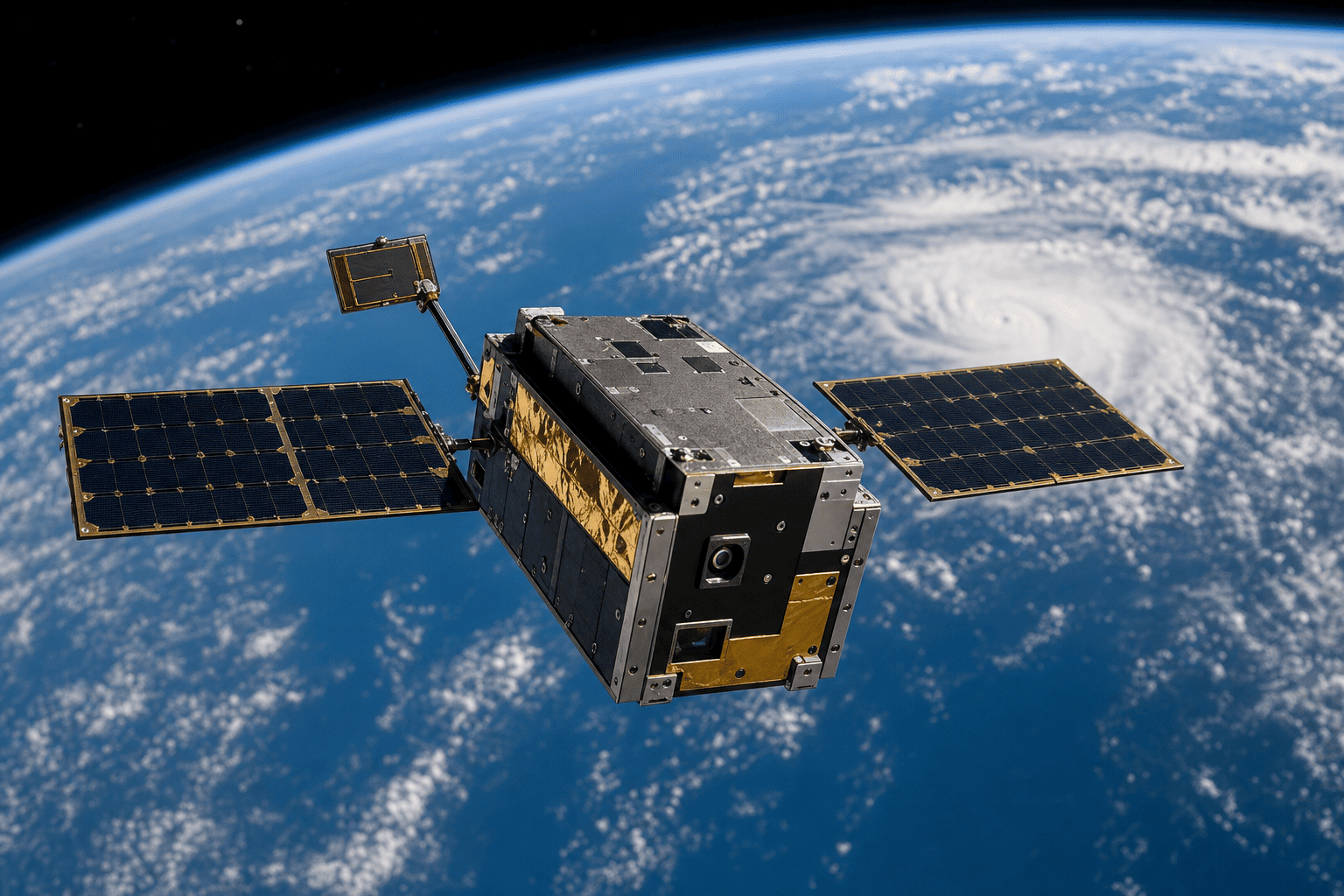
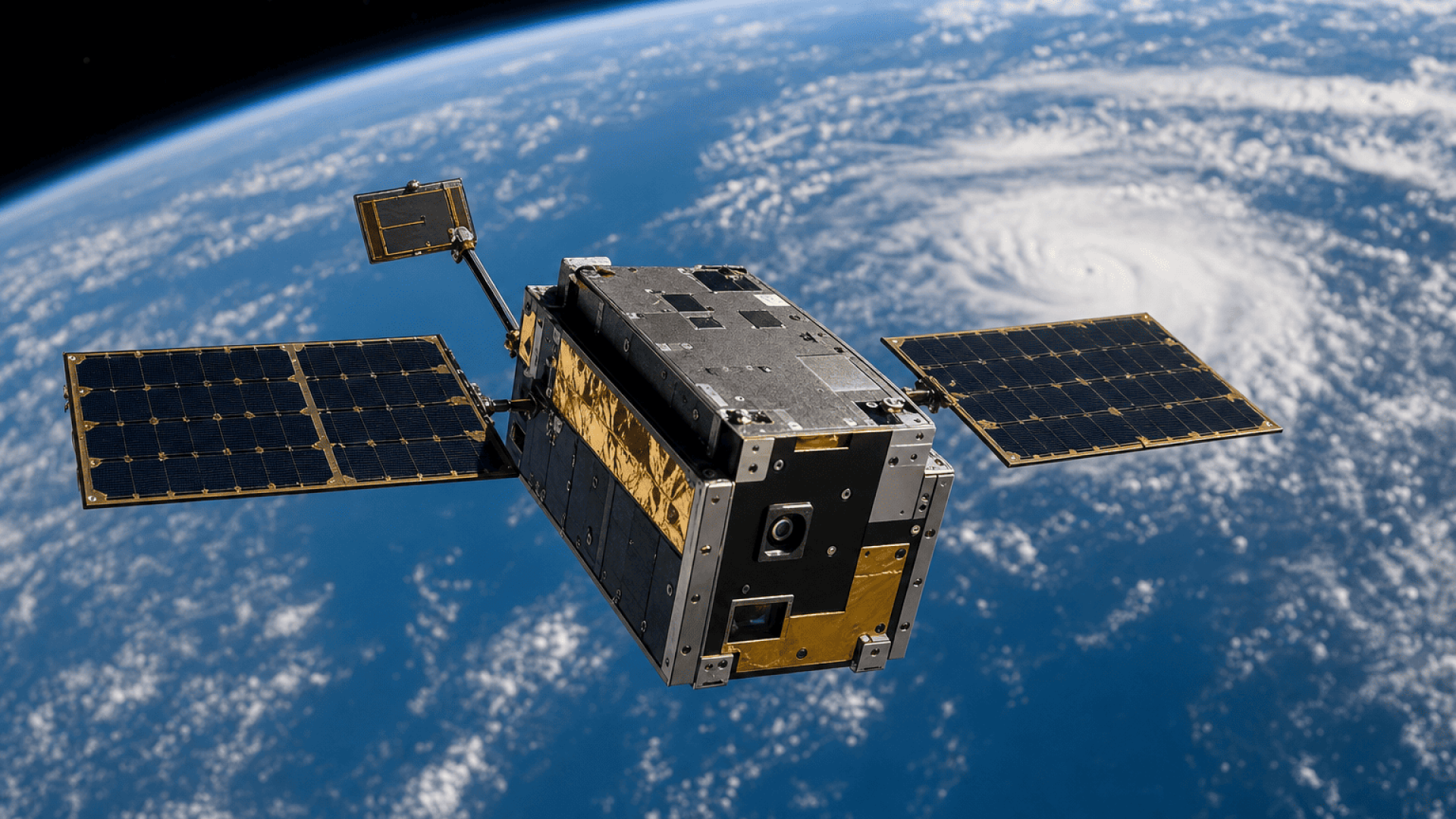
Later, in 2025, they were integrated into a satellite and launched aboard a SpaceX Falcon. What followed were several anxious days.
Until communications were successfully established between Earth and electronics manufactured in Aveiro.
From one project to a new capability
The project did not end with that first successful connection. It became a foundation.
Exatronic moved beyond manufacturing telecommunications PCBAs for satellites and started supporting additional onboard electronics, including battery pack power management and other control systems.
By the end of 2026, the company expects to have manufactured boards operating aboard more than 100 satellites, including satellites belonging to constellations promoted by ESA.
Three years earlier, this was not yet part of Exatronic’s manufacturing reality. Today, it is.
The people behind the electronics
When Nuno looks back at those three years, however, the technology is only part of the story. What stands out most is the team behind it.
The engineers who repeatedly refined processes until they were right. The technicians who were willing to redo a solder joint because a microscope or X-ray raised a doubt. The procurement team that navigated difficult lead times and negotiations. The quality team that refused to accept something simply because it was almost good enough. And the people who believed in what Exatronic was building before there was tangible proof of where it could lead.
For Nuno, this project reinforced something that has long been part of Exatronic’s way of working: progress does not always need to begin with an announcement. Sometimes, it begins with doing the work, learning quickly and proving that you can deliver. And once that capability is built, even an industry as demanding as space becomes a place where there is room to grow.
Three years after that first phone call, the next level is already being prepared.